Breast

What Are the Risks and Complications of Breast Reduction?

What Are the Risks and Complications of Breast Reduction? If you’re considering Breast Reduction Surgery, you’ve probably already heard about the benefits: less back pain, better posture, more comfort in daily life. But there’s another side to the conversation that deserves just as much attention: the risks. This isn’t about scaring you away from the procedure. It’s about walking in with clear eyes, so you can make a decision you feel genuinely confident about. Why Talking About Risk Actually Matters Every surgery carries some level of risk; that’s simply a fact of medicine, not a red flag specific to this procedure. The goal here is to help you understand what’s possible, what’s common, and what’s rare, so nothing catches you off guard. Dr. Rachana Tataria, who has performed breast reduction procedures for years, puts it simply: “Patients who understand the full picture, benefits and risks both, tend to recover with far more confidence and far less anxiety.” The More Common, Manageable Risks These are the ones most patients may experience in some mild form, and they’re usually temporary. Swelling and bruising: Expected in the first few weeks, and it settles gradually. Temporary changes in nipple or breast sensation: Numbness or heightened sensitivity is common early on and often improves over several months. Scarring: Since incisions are necessary, some visible scarring is unavoidable. It typically fades and softens over a year or more. Asymmetry: Perfect symmetry isn’t realistic for any body, and very minor differences between the two breasts are normal, even after healing. Less Common, But Important to Know These happen less frequently, but they’re worth understanding so you know what to watch for: Delayed wound healing: Incisions may take longer to close properly, especially at points where skin tension is higher. Infection: Though surgical teams take strong precautions, infection remains a possibility with any procedure that involves incisions. Difficulty breastfeeding in the future: Depending on the surgical technique used, milk ducts may be affected, which is an important conversation to have if you’re planning to breastfeed later. Fat necrosis: Occasionally, small areas of fatty tissue don’t get enough blood supply and harden or form lumps. It’s usually harmless but should be monitored. Changes in breast shape over time: As with most breast surgeries, results can shift somewhat with aging, weight changes, or future pregnancies. Rare but Serious Complications These are uncommon, but they’re part of a transparent conversation: Excessive bleeding requiring further treatment Reactions to anesthesia Poor wound healing requiring revision surgery Partial loss of nipple tissue in rare cases, especially in patients with certain risk factors like smoking Your surgeon will assess your personal risk factors, including habits like smoking, existing health conditions, and the size of reduction needed before recommending the procedure. What Can Lower Your Risk? You have more control here than you might think. Choose an experienced, board-certified surgeon: Technique and experience significantly influence complication rates. Be upfront about your medical history: Conditions like diabetes or clotting disorders change the risk profile and the precautions needed. Quit smoking well before surgery: Smoking is one of the biggest contributors to poor wound healing. Follow post-op instructions closely: Wearing your surgical bra as advised, avoiding heavy lifting, and attending follow-up visits all matter more than people expect. Maintain a stable weight before surgery: Significant weight fluctuations after surgery can affect your final results. When to Contact Your Surgeon Don’t hesitate to reach out if you notice: Fever or chills Increasing redness, warmth, or pus at the incision site Sudden, significant swelling on one side Severe pain that isn’t controlled by prescribed medication Catching complications early almost always makes them easier to manage. The Bottom Line Breast Reduction Surgery is generally considered a safe and well-established procedure, with Dr. Rachana Tataria. Like any surgery, it does carry risks, most minor, some rare, but understanding them beforehand is what allows you to prepare properly and recover with confidence. The right move isn’t to fear the risks, but to have an honest, detailed conversation with a qualified surgeon who can walk you through how these risks apply specifically to your body and health history.

Body Contouring, Breast

Should I Get Liposuction and Tummy Tuck Together?

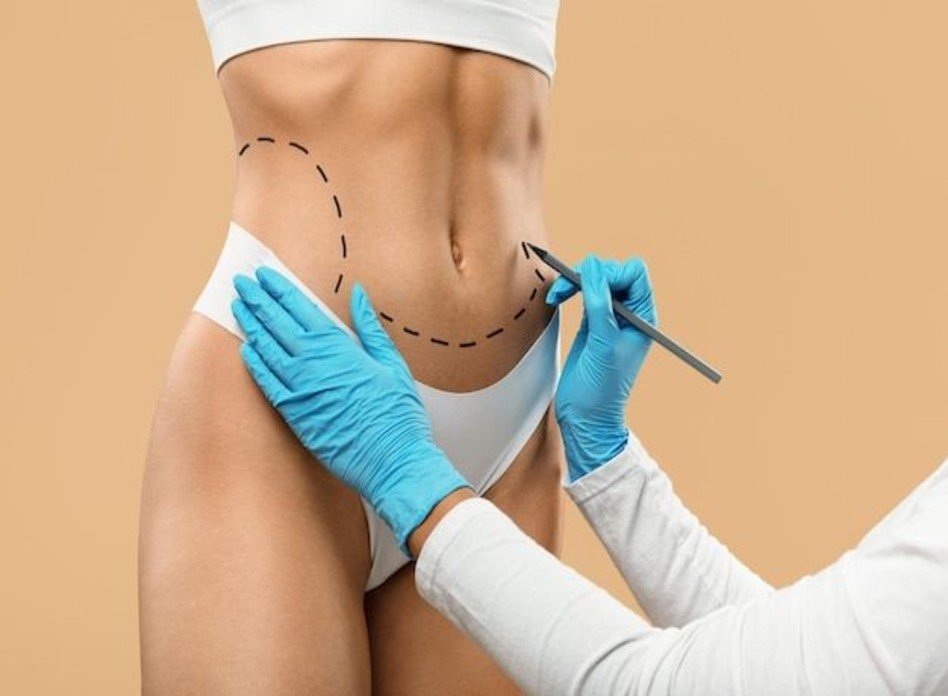
Should I Get Liposuction and Tummy Tuck Together? If you’ve been researching body contouring, you’ve probably come across this question more than once: should you combine Liposuction Surgery and Tummy Tuck Surgery into one procedure, or keep them separate? It’s a smart question to ask, because the answer genuinely depends on your body, your goals, and what your surgeon sees when they examine you. Let’s break it down in plain, practical terms. First, What’s the Actual Difference? These two procedures often get lumped together, but they solve different problems. Liposuction Surgery removes stubborn fat deposits from specific areas, such as love handles, thighs, or abdomen. It doesn’t tighten skin or muscle. Tummy Tuck Surgery (technically called abdominoplasty) removes excess loose skin and tightens the abdominal muscles, especially after pregnancy or major weight loss. It doesn’t remove large amounts of fat on its own. In short: liposuction sculpts, and a tummy tuck tightens. Many people actually need a bit of both. So, Can You Combine Them? Yes, this is actually a fairly common combination, often called a “lipo tuck.” Dr Rachana Tataria, who regularly performs combined body contouring procedures, explains it well: “When a patient has both loose skin and excess fat in the surrounding areas, doing both together often gives a more balanced, natural-looking result than treating just one issue alone.” When Combining Them Usually Makes Sense You have both loose skin and fat pockets: If your main concern is only fat with good skin elasticity, liposuction alone might do the job. But if the skin is loose too, combining gives a more complete result. You want one recovery period instead of two: Going through anesthesia and downtime once, rather than twice, is a practical reason many patients prefer the combined approach. Your surgeon confirms you’re a good candidate: This depends on your overall health, the areas involved, and how much correction is needed. You’re not planning future pregnancies: Tummy tuck results are best preserved when there’s no more significant stretching of the abdominal skin expected afterward. When It’s Better to Separate Them There are situations where doing both at once isn’t the best idea: If you have certain health conditions, combining two procedures means more time under anesthesia, which isn’t ideal for everyone. Your surgeon will assess this carefully. If a large volume of fat needs removal, sometimes it’s safer to stage procedures rather than do everything in one sitting. If your BMI is higher than what’s recommended, some surgeons prefer patients to reach a stable, healthier weight first for safer results. This is exactly why a proper consultation matters more than following a trend you saw online. What About Recovery? This is often the deciding factor for many patients, so let’s be upfront about it. Combining both procedures does mean a longer, more involved recovery compared to either surgery alone. Here’s a general idea: First week: Rest is essential. Expect swelling, tightness, and limited movement. Weeks 2-4: Gradual improvement. Most people return to light daily activities, though not exercise yet. 6 weeks and beyond: Swelling continues to settle, and results start looking more defined. Wearing a compression garment as advised and avoiding strenuous activity during healing genuinely affect how smooth your recovery feels. A Few Tips Don’t chase “final results” too early; swelling can take a few months to fully settle. Ask your surgeon directly whether combining suits your specific body type, rather than assuming it’s automatically better. Be realistic about downtime, plan your work and family schedule around adequate rest. Choose a board-certified surgeon experienced in combined body contouring procedures, since technique matters as much as the decision itself. Making the Right Choice for You Combining Liposuction Surgery and Tummy Tuck Surgery can absolutely give you a more complete, balanced outcome, but it’s not a one-size-fits-all decision. It depends on your body, your health, and how much correction you actually need. As Dr. Rachana Tataria puts it, the best results come from treating the person, not the trend. The best next step isn’t Googling more comparisons; it’s sitting down with a qualified surgeon who can assess your body in person and tell you honestly what will work best for you.

Body Contouring

How Painful Is Implant-Based Breast Reconstruction?

How Painful Is Implant-Based Breast Reconstruction? If you or someone you love is preparing for breast reconstruction after a mastectomy, one question probably keeps coming up: “How much is this going to hurt?” It’s a fair question. And honestly, it deserves a straight answer instead of vague reassurances. First, What Exactly Is Implant-Based Surgery? In simple terms, Implant-Based Surgery rebuilds the shape of the breast using a silicone or saline implant, instead of using tissue from another part of your body. It’s one of the most common reconstruction options because it usually involves a shorter surgery and recovery time compared to tissue-based methods. According to Dr. Rachana Tataria, a breast reconstruction specialist who has guided hundreds of women through this journey, “The pain patients imagine before surgery is almost always worse than what they actually experience afterward. That mental picture is often the hardest part.” That’s an important point to sit with for a second. So, How Painful Is It? Here’s the honest breakdown: The first 2-3 days are usually the most uncomfortable. Think tightness, soreness, and a pulling sensation across the chest, similar to a strained muscle, not a sharp or stabbing pain. Days 4-7 tend to feel noticeably better. Most patients switch from strong pain relief to milder medication around this time. After week two, discomfort usually fades into occasional tightness, especially with certain movements like reaching overhead. Pain levels vary from person to person, and that’s completely normal. Your pain tolerance, the type of implant placement (above or below the chest muscle), and whether you’re combining it with other treatments can all influence how you feel. Why the Chest Muscle Placement Matters This is a detail worth understanding, because it directly affects comfort: An implant placed under the muscle tends to cause more discomfort in the first week, since the chest muscle is stretched. However, it may offer a more natural-looking result for some body types. An implant placed above the muscle generally involves less initial pain and a quicker recovery, though it isn’t the right fit for every patient. Your surgeon will recommend the placement that suits your body, your goals, and your medical history, not a one-size-fits-all approach. What Actually Helps Manage the Pain? You don’t have to just “push through it.” A few things genuinely make a difference: Pain medication as prescribed – Take it on schedule in the early days rather than waiting until pain builds up. Supportive surgical bras – These reduce movement and pressure on the healing area. Gentle movement – Short, slow walks help circulation and can actually ease stiffness. Sleeping propped up – Lying flat too early can increase tightness; a slight incline often feels more comfortable. Following activity restrictions – avoiding heavy lifting or overhead reaching protects healing tissue and reduces pain flare-ups. Signs You Should Visit Your Surgeon Mild soreness, tightness, and occasional throbbing are expected during recovery. However, Dr. Rachana Tataria recommends contacting your surgical team if you notice: Sudden, sharp pain that wasn’t there before Increasing redness or warmth around the surgical area Fever Unusual swelling on one side only Catching these signs early usually makes treatment simpler, so there’s no need to feel like you’re “overreacting” by asking questions. The Emotional Side of Recovery Physical pain is only part of the story. Many women going through Implant-Based Breast Reconstruction describe the emotional adjustment as equally significant. Feeling supported by family, friends, or a caring medical team often makes the physical recovery feel more manageable too. The Bottom Line Implant-based reconstruction does involve discomfort, especially in the first week, but it’s generally manageable with the right pain plan and realistic expectations. Every recovery timeline looks a little different, and that’s okay. If you’re considering this procedure, an open conversation with a qualified breast reconstruction surgeon is the best next step. They can walk you through what to expect based on your specific case.

Body Contouring

Is It Safe to Consider a Tummy Tuck After Multiple Pregnancies?

Is It Safe to Consider a Tummy Tuck After Multiple Pregnancies? If you’ve had more than one pregnancy, you’ve probably noticed your body doesn’t always bounce back the way it used to. Loose skin, a stubborn belly bulge, and that odd feeling of weakness around your midsection are incredibly common, and no amount of exercise seems to fully fix them. This is exactly why so many women start asking about a tummy tuck after multiple pregnancies. Let’s talk about what actually happens to your body, and whether surgery at this stage is a safe, realistic option. What Is a Tummy Tuck? A tummy tuck, medically called an abdominoplasty, is a surgery that removes excess skin and fat from the abdomen while also tightening the underlying muscles. Unlike weight loss alone, it directly addresses two things that diet and exercise often can’t fix: loose skin and separated muscles. Why Multiple Pregnancies Change Things Each pregnancy stretches your abdominal skin and muscles a little more. Over time, this can lead to: Skin laxity – skin that no longer springs back to its original shape Diastasis recti – a separation of the abdominal muscles down the middle Fat deposits – that sit stubbornly around the lower belly, resistant to exercise With one pregnancy, some of this often resolves on its own. With multiple pregnancies, though, the skin and muscles have been stretched repeatedly, which makes natural recovery much harder and sometimes just not possible. So, Is It Safe? For most healthy women, yes, a tummy tuck after multiple pregnancies is considered safe. That said, safety always depends on a few individual factors your surgeon will evaluate carefully before moving forward. Here’s what typically gets assessed: Overall health – including any existing medical conditions Family planning – whether you’re planning future pregnancies (more on this below) Skin and tissue condition – how much correction is realistically needed Weight stability – ideally close to your goal weight before surgery What About Future Pregnancies? This is one of the most important points to consider. Surgeons generally recommend waiting until you’re completely done having children before opting for a tummy tuck. Why? Because pregnancy after the procedure can stretch the muscles and skin again, undoing much of the surgical correction. If there’s a chance of more pregnancies down the line, it’s worth having an honest conversation with your surgeon about timing. Who Is a Good Candidate? You might be a suitable candidate if: You’re finished with childbearing You’re at a stable, healthy weight You have realistic expectations about results You’re dealing with loose skin or muscle separation that hasn’t improved with exercise You don’t smoke, or you’re willing to quit well before surgery What Recovery Looks Like Recovery after a tummy tuck takes a bit more patience compared to smaller procedures, simply because it involves muscle repair, not just skin removal. Week 1–2: Rest, limited movement, wearing a compression garment Week 3–4: Gradual return to light daily activities Week 6: Most swelling reduces significantly, and light exercise may resume Months 3–6: Final shape settles, scar continues to fade Every recovery timeline looks a little different depending on how much correction was needed and how your body responds to healing. Types of Tummy Tuck: Which One Might Suit You? Not every tummy tuck is the same. Depending on how much skin and muscle correction is needed, surgeons typically recommend one of these options: Mini tummy tuck – For minor skin laxity below the belly button, with little to no muscle separation. Full (standard) tummy tuck – Tightens muscles across the entire midsection and removes excess skin hip to hip. The most common choice after multiple pregnancies. Extended tummy tuck – Also treats excess skin wrapping around the lower back or flanks. Fleur-de-lis tummy tuck – Combines vertical and horizontal skin removal, usually for significant skin laxity. Your surgeon will recommend the right type based on your skin laxity, muscle separation, and body shape. Making the Right Decision A tummy tuck after multiple pregnancies is generally safe for healthy women who are done having children and have realistic expectations about their post-pregnancy body. It won’t reverse every sign of pregnancy, but it can genuinely help restore muscle strength and skin tightness that exercise alone often can’t achieve. If you’re in Mumbai and thinking about this, it’s worth booking a proper consultation with a specialist like Dr Rachana Tataria, who can evaluate your muscle separation, skin condition, and overall health before recommending the right approach for you. At the end of the day, this decision deserves patience and honest conversation, not a rushed choice based on comparison with someone else’s results.

Breast

Can a Breast Lift Be Combined With Augmentation or Reduction?

Can a Breast Lift Be Combined With Augmentation or Reduction? Here’s a question that comes up in almost every consultation room: “Can I get a breast lift and fix the size at the same time?” It’s a smart question, and the good news is, yes, in most cases, it can be done. Combining procedures is actually quite common, and for many women, it makes far more sense than going through two separate surgeries months apart. Let’s break down how this works, who it’s meant for, and what you should know before deciding. What Does a Breast Lift Actually Do? A breast lift, medically known as a mastopexy, is a procedure that raises and reshapes breasts that have started to sag. This sagging can happen naturally over time or after pregnancy, breastfeeding, or weight changes. Here’s the important part, though: a lift changes the position and shape of the breast, but it doesn’t really change the size. That’s exactly why so many women ask about pairing it with something else. Why People Combine Procedures Think about it this way. If your breasts have dropped in position but you also feel they’re too small, a lift alone won’t give you the fullness you’re looking for. Similarly, if your breasts are sagging and also uncomfortably large, a lift alone won’t solve the heaviness or back strain. That’s where combining a lift with breast augmentation or breast reduction comes in. It addresses both position and size in a single surgery. Breast Lift With Augmentation This pairing works well for women who want their breasts lifted and want more volume or fullness at the same time. Implants are placed during the same surgery as the lift, giving a fuller, more youthful shape in one procedure. This combination might suit you if: You’ve noticed volume loss after breastfeeding or weight changes You want a natural, proportionate fullness rather than a dramatic change You’d prefer one recovery period instead of two separate ones Breast Lift With Reduction Some women deal with a different combination of concerns: heavy breasts, causing shoulder grooves, neck pain, or posture issues, along with visible sagging. Here, a lift is combined with breast reduction, removing excess tissue while repositioning the breast higher on the chest. You might consider this option if: Your breasts feel heavy or cause physical discomfort daily You’re dealing with sagging alongside excess tissue You want both relief and reshaping addressed together Many women describe feeling lighter, quite literally, once healing is complete. Is Combining Procedures Safe? Generally, yes. But it really depends on individual factors, and your surgeon will look closely at a few specific things before recommending it: Skin elasticity – how well your skin can adapt to the new shape Tissue density – which affects healing and final results Overall health – including any conditions that might affect surgery or recovery Extent of correction needed – minor adjustments versus significant reshaping Combined surgery does tend to involve slightly longer operating time and a bit more initial swelling compared to a single procedure. That said, most women prefer it simply because it means one recovery journey, not two. What Recovery Looks Like care in the early days. Week 1–2: Rest, light movement, avoiding heavy lifting Week 3–6: Gradual return to daily activities and light work Month 2 onward: Swelling settles, final shape becomes more visible Months 3–6: Full healing and comfort with normal activity Questions Worth Asking Your Surgeon Before deciding, it helps to have an honest, detailed conversation covering: Whether your skin and tissue can support a combined procedure What size or shape of outcome is realistic for your body Expected scarring and how it typically fades over time A recovery timeline that fits your lifestyle and work schedule The Bottom Line A breast lift can absolutely be combined with augmentation or reduction, and for many women, it’s simply the more practical choice. It saves you from two separate surgeries and gives a more balanced, proportionate result through one recovery journey. If you’re considering this in Mumbai, it’s worth having a personalised consultation with a specialist like Dr Rachana Tataria, who can assess your body type and goals before recommending the right combination for you. There’s no need to rush into a decision. Take your time, ask questions, and choose the path that feels right, not just convenient. Your body, your pace.

Breast

How Long Does Breast Reconstruction Recovery Take?

How Long Does Breast Reconstruction Recovery Take? If you or someone close to you is preparing for breast reconstruction, one question probably comes up more than any other: “How long until I feel normal again?” It’s a fair question, and honestly, there’s no single answer that fits everyone. Recovery depends on the type of surgery, your overall health, and even your daily routine. But there is a general pattern most people go through, and knowing it can make the whole journey feel a lot less uncertain. Let’s break it down in plain, simple terms. First, What Exactly Is Breast Reconstruction? Breast reconstruction is a surgical procedure that rebuilds the shape of the breast, usually after a mastectomy (surgical removal of the breast, often due to cancer). Some women choose to have it done at the same time as their mastectomy, while others prefer to wait months or even years. Both choices are completely normal, and there’s no “right” timeline to start. The First Few Days: Take a Proper RestRight after surgery, you’ll likely spend a couple of days in the hospital. This is when your body starts the initial healing process, and your medical team keeps a close eye on things like swelling, drains (small tubes that help remove extra fluid), and pain levels. During this phase, you won’t be doing much besides resting, and that’s exactly how it should be. Think of it as your body’s foundation-building stage. Weeks One and Two: Slow and SteadyOnce you’re home, the focus shifts to gentle movement and avoiding strain. Most people can manage light daily activities like walking around the house or doing simple chores within the first two weeks. Driving and lifting heavy objects, though, usually need to wait a little longer. Some tiredness, tightness, or mild discomfort is completely expected here. It doesn’t mean something is wrong; it simply means your body is doing its job. Weeks Three to Six: Getting Your Energy BackThis is usually when energy levels start bouncing back. Many women return to desk-based work around this time, though this really depends on the type of reconstruction done. For implant-based reconstruction (using silicone or saline implants), recovery is often a bit quicker. For reconstruction using your own body tissue, often called flap surgery, recovery tends to take longer since it involves healing at two surgical sites instead of one. Two to Three Months: Back to Regular LifeBy this stage, most everyday activities, including light exercise, feel manageable again. Swelling continues to reduce, and the breast shape starts settling into its more permanent look. Full recovery, meaning complete healing and comfort with normal movement, typically falls somewhere between three and six months. For more complex procedures, it can take up to a year for everything to feel completely settled. What Affects Recovery Time? A few things can speed up or slow down healing: Type of reconstruction – Implant-based procedures generally heal faster than tissue-based (flap) procedures. Additional treatments – If chemotherapy or radiation is part of your treatment plan, recovery timelines usually shift. Overall health – Factors like nutrition, sleep, and stress levels genuinely make a difference. Following aftercare instructions – Skipping rest or rushing back to activity can extend healing time. Simple Tips for a Smoother Recovery Keep up with follow-up appointments, even if you’re feeling fine. Don’t rush back to gym sessions or heavy lifting. Wear any recommended support garments as advised. Talk openly with your surgeon about pain or unusual symptoms. Give yourself grace. Emotional healing matters just as much as physical healing. When Should You Reach Out to Us? Breast reconstruction recovery isn’t a race, and it doesn’t follow a strict calendar. Most people feel significantly better within six weeks, are largely settled by three months, and are fully recovered within six months to a year, depending on the procedure. If you’re in Mumbai and exploring your options, consulting with a specialist who understands reconstructive surgery recovery time in detail, someone like Dr. Rachana Tataria, can help you get a realistic, personalised timeline based on your specific case rather than a generic estimate. Recovery looks different for everyone, and that’s completely okay. What matters most is healing at a pace that’s right for you.

Body Contouring

Can You Combine Liposuction with Other Procedures?

Can You Combine Liposuction with Other Procedures? Many patients considering liposuction wonder whether it can be combined with other cosmetic procedures. The answer is often yes. In fact, combining liposuction with procedures such as a tummy tuck, breast surgery, or arm lift can help achieve more comprehensive body contouring results while reducing the need for multiple surgeries and recovery periods. First, Let’s Quickly Understand Liposuction Surgery Liposuction surgery is a procedure that removes stubborn pockets of fat from specific areas of the body that don’t respond to diet or exercise. Common target areas include the: Abdomen and waist Thighs and hips Back and flanks Arms and chin area Chest region It’s important to understand that liposuction surgery is not a weight loss procedure. It’s a body-contouring tool, designed to refine and reshape areas that already feel tight but just won’t budge despite your best efforts. Yes, You Absolutely Can Combine It – Here’s How Liposuction surgery pairs well with several other procedures. The right combination depends entirely on your body goals, your overall health, and your surgeon’s recommendation. Here are the most popular and effective combinations: Liposuction + Tummy Tuck (Abdominoplasty) This is one of the most requested combinations. Liposuction removes stubborn fat, while a tummy tuck tightens the abdominal muscles and removes loose, excess skin. Together, they deliver a flatter, firmer, and more sculpted midsection, especially popular after pregnancy or significant weight loss. Liposuction + Breast Reduction Many patients choose to address both the abdomen or flanks and the breast area in the same sitting. Since both procedures require similar recovery conditions, combining them is practical and reduces total downtime significantly. Liposuction + Arm Lift (Brachioplasty) When the upper arms have both excess fat and sagging skin, liposuction alone won’t fully solve the problem. Pairing it with an arm lift removes the fat and tightens the skin simultaneously — giving cleaner, more defined results. Liposuction + Brazilian Butt Lift (BBL) This combination is incredibly popular. Fat removed through liposuction surgery is purified and transferred to the buttocks to add natural volume and shape. Two goals achieved — from the same fat your body already had. Liposuction + Mommy Makeover A mommy makeover typically bundles liposuction, a tummy tuck, and breast work into one comprehensive surgery session. It’s designed to restore a pre-pregnancy body shape and is one of the highest-satisfaction procedures in cosmetic surgery today. Why Do People Choose to Combine Procedures? Here’s why combining liposuction surgery with other procedures makes practical sense: One anaesthesia session reduces overall risk compared to multiple separate surgeries Single recovery period you heal from everything at once instead of twice or three times Cost efficiency surgical facility and anaesthesia fees are shared across procedures Faster results achieve your full goal in one journey rather than months apart Better overall balance combined procedures deliver more harmonious, proportionate results What the Experts Say Experienced surgeons will always tell you, combining procedures is not about doing more for the sake of it. It’s about doing what genuinely makes sense for your body and your safety. Dr. Rachana Tataria is an experienced cosmetic and reconstructive surgeon in Mumbai who provides personalized treatment plans based on each patient’s goals and medical suitability. Before recommending any combination of procedures, she carefully evaluates your health profile, your realistic goals, and what your body can safely handle in a single surgical session. Are You a Good Candidate for Combined Procedures? You may be well-suited if you: Are in good overall health with no major underlying conditions Are close to your ideal weight but have specific areas you want to refine Have realistic expectations about what surgery can and cannot achieve Are you a non-smoker or willing to stop smoking well before surgery Have multiple concerns you’d like to address at the same time Can commit to a proper and complete recovery period If you tick most of these boxes, a combined approach could absolutely be right for you — but always let your surgeon make the final call. What Does Recovery Look Like When You Combine? Week 1 – Complete rest is essential. Swelling, bruising, and fatigue are normal. Your body is healing from multiple areas at once, so listen to it. Weeks 2 to 3 – Gradual return to light activity. Most people manage gentle daily tasks and begin feeling the early results take shape. Weeks 4 to 6 – Back to routine. Energy returns, swelling settles, and the true results begin to show clearly. 3 to 6 months – Final results visible. The body fully settles, scars fade, and you see the complete picture of your transformation. One thing to keep in mind combined procedures may mean a slightly longer initial recovery than a single procedure. But compared to going through two or three separate surgeries, most patients agree it’s absolutely worth it. The Bottom Line If you’re in Mumbai and considering liposuction surgery alone or combined with another procedure, your first step is a real, unhurried conversation with an expert. Dr. Rachana Tataria brings years of surgical experience, a warm patient-first approach, and the kind of honest guidance that helps you make decisions you’ll feel confident about for years to come.

Breast

Can Breast Reduction Help My Back and Shoulder Pain?

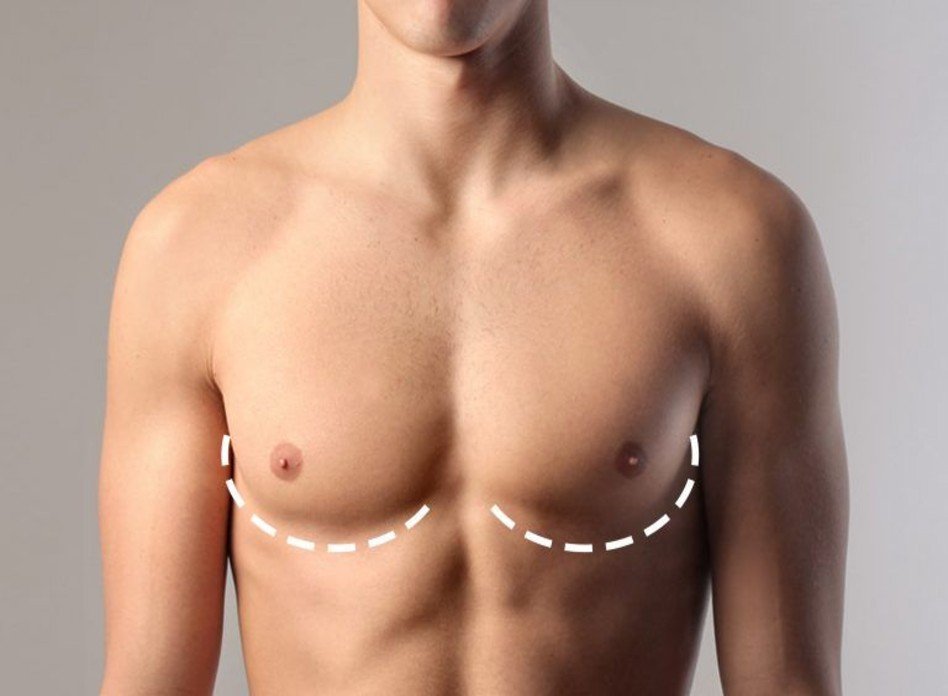
Can Breast Reduction Help My Back and Shoulder Pain? Millions of women deal with persistent back pain, deep shoulder grooves from bra straps, constant neck stiffness, and even recurring headaches, and quietly wonder if their breast size has something to do with it. In many cases, the answer is yes. Large, heavy breasts place a continuous and significant amount of weight on the front of your body. Over time, your spine, shoulders, and neck work overtime to compensate for that imbalance. The result is chronic, stubborn pain that no amount of physiotherapy, posture correction, or pain medication seems to fix for long. Breast reduction surgery is one of the most medically recognised procedures for exactly this reason, and for many women in Mumbai, it has been genuinely life-changing. So, What Is Breast Reduction? Breast reduction, medically known as reduction mammaplasty, is a surgical procedure with three clear goals: Remove excess breast tissue, fat, and skin Reduce the overall size and weight of the breasts Reshape them to better suit your body frame But here’s what makes it stand apart from many cosmetic procedures: breast reduction is as much about physical relief as it is about appearance. In fact, most patients say their biggest motivation was pain, not aesthetics. Why Does Breast Size Cause So Much Pain? When the breasts are disproportionately heavy for your build, the body compensates, and that compensation creates a painful chain reaction throughout your upper body. Here’s what typically happens: Shoulders roll forward – pulling your posture out of alignment Spine curves unnaturally – leading to chronic upper and lower back pain Neck muscles tighten – causing persistent stiffness and headaches Nerves get compressed – resulting in numbness or tingling in the arms and fingers Bra straps dig in – leaving deep, painful grooves on the shoulders And beyond the pain, many women also experience: Skin rashes and irritation beneath the breasts Difficulty breathing comfortably during exercise Trouble finding clothes that fit properly Poor sleep due to discomfort and pressure These are not small inconveniences. They are real, daily challenges that quietly but significantly affect your quality of life. What the Experts Actually Say Medical experts and reconstructive surgeons widely recognise breast reduction as a functional, medically justified procedure, not simply a cosmetic one. Research consistently shows that patients report significant improvement in back pain, posture, and overall physical comfort within weeks of recovery. Dr. Rachana Tataria, one of Mumbai’s most experienced reconstructive and cosmetic surgeons, regularly sees patients who have been managing this kind of pain for years before they even consider surgery as a real option. Her approach is always deeply patient-first taking time to understand each person’s health history, daily challenges, and personal goals before recommending any course of action. What Nobody Tells You Before the Surgery Pain relief is the biggest motivator but patients are frequently surprised by the other improvements they notice after breast reduction surgery. Better posture : The body no longer needs to compensate for heavy front-loaded weight, so the spine naturally realigns itself. Easier physical activity : Exercise becomes more accessible and enjoyable, often for the first time in years. Improved sleep : Without the pressure and heaviness, nights become significantly more comfortable. Greater clothing freedom : Finding well-fitting outfits becomes effortless rather than frustrating. Higher confidence : Many patients describe feeling lighter not just physically, but emotionally too. Is Breast Reduction Right for You? You might be a good candidate for breast reduction if you have chronic back, neck, or shoulder pain connected to your breast size, you’ve tried physiotherapy or supportive bras without lasting relief, you have regular skin irritation beneath your breasts, your breast size limits your ability to exercise or stay active, or your overall daily quality of life is being affected. A thorough, one-on-one consultation with a qualified surgeon is always the essential first step no two situations are the same. What Does Recovery Look Like? Week 1 – Rest and heal. Expect swelling, bruising, and soreness. Light movement is fine, but take it easy. Weeks 2 to 3 – Back to light routine. Most people manage daily activities comfortably and notice pain reduction already. Weeks 4 to 6 – Full recovery. Normal activity resumes. Most patients feel significantly better than before surgery. Here’s what many patients find remarkable even during recovery, the back and shoulder pain they lived with before surgery is noticeably reduced. That alone tells you how much the weight was affecting them. The Bottom Line If you’re in Mumbai and want to know whether breast reduction is the right step for you, start with an honest conversation. Dr. Rachana Tataria brings years of surgical expertise and a genuinely warm, patient-focused approach to every single consultation. She’ll help you understand your options clearly, answer every question without rushing, and walk you through the entire journey, entirely at your own pace.


Breast

Can You Get Nipple Reconstruction Without Breast Implants?

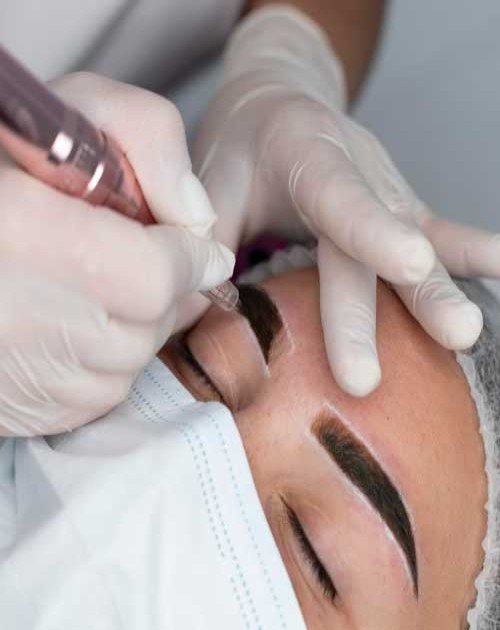
Can You Get Nipple Reconstruction Without Breast Implants? Most people assume nipple reconstruction and breast implants always go hand in hand implants first, then nipple work. That assumption is understandable, but it’s simply not true.  Nipple reconstruction is a separate procedure that can be performed independently of breast implant surgery. Whether you have undergone a mastectomy and chosen to remain flat, or a medical condition has altered the appearance of your nipple, there are established and effective reconstruction options available that do not require implants.  What Exactly Is Nipple Reconstruction? Nipple Reconstruction is a procedure, surgical or non-surgical, that recreates the appearance of a nipple and the areola (that’s the darker circle around the nipple). It’s most commonly discussed as part of the breast restoration journey after a mastectomy, but it’s not limited to that alone. The goal is simple: to restore a natural look to the chest area and help you feel comfortable, whole, and confident in your own skin again. Who Is This Actually For? This is where things open up more than most people expect. Nipple reconstruction is an option for anyone who has lost their nipple or its appearance due to a mastectomy, with or without implants, an injury or trauma to the chest, a medical condition affecting the nipple, or simply a personal wish to restore their appearance. If you have undergone a mastectomy and chosen a flat closure, meaning you did not receive breast implants, nipple reconstruction may still be an option. The procedure is performed directly on the existing skin and chest wall, allowing for nipple reconstruction without the need for implants. Choosing the Approach That Feels Right for You There are a few techniques your surgeon might recommend, depending on your body, your health, and what you’re hoping to achieve. The local flap technique is the most commonly used surgical method. A small piece of your own skin from the same chest area is carefully shaped to create a natural, raised nipple projection. It uses no implants, just your own tissue, and the results look very natural over time. Skin grafting involves taking a small patch of skin from another part of your body, such as the inner thigh, to reconstruct the nipple. Again, completely implant-free. 3D medical tattooing is the non-surgical route, and it’s become incredibly popular in recent years. A trained medical tattoo artist uses colour and shading to create a strikingly realistic illusion of a nipple. There’s no raised projection, but the visual result is often beautiful, and recovery is minimal. All three options are valid. None of them requires breast implants. Don’t Forget the Areolar Reconstruction Areola reconstruction, rebuilding the darker ring around the nipple, usually happens alongside nipple reconstruction. The two most common approaches are medical tattooing to add colour and depth, or a small skin graft. Most patients today choose tattooing for the areola. It’s less invasive, heals quickly, and when done by an experienced specialist, the colour match can be remarkably close to natural. What Does Recovery Feel Like? For surgical techniques, expect mild swelling, some bruising, and tenderness for about one to two weeks. Most people return to their routine within two to three weeks without major disruption. For 3D medical tattooing, recovery is minimal, with a little tenderness for a day or two, and that’s about it. The colour may fade slightly after a year, so a simple touch-up is sometimes recommended. Is This the Right Choice for You? Honestly, that’s a deeply personal question. Some people feel completely at peace without nipple reconstruction, and that is absolutely valid. For others, it’s a meaningful final step in their healing journey that brings genuine closure and a renewed sense of self. There’s no right or wrong here. What matters most is that you have clear information and the freedom to choose what feels right for your body and your life. The Bottom Line If you’re in Mumbai and thinking about nipple reconstruction with or without implants, the best first step is a one-on-one conversation with an experienced reconstructive surgeon. Dr. Rachana Tataria is one of Mumbai’s most trusted names in reconstructive and cosmetic surgery. Known for her warm, patient-first approach, she takes the time to listen to your story, walk you through every option clearly, and help you move forward with confidence.

Scroll to Top