
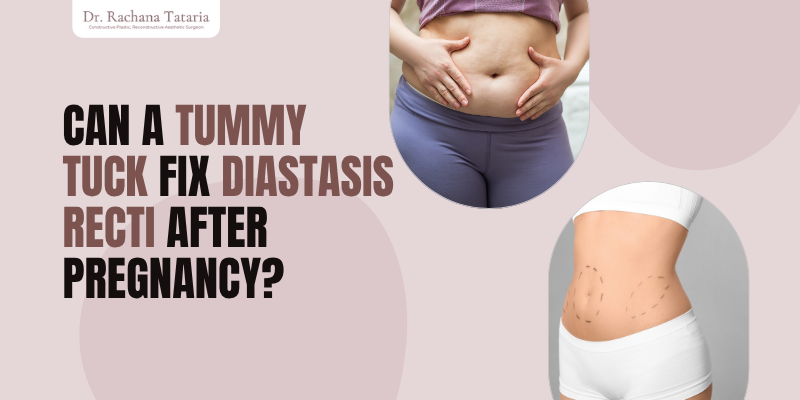
Pregnancy is a beautiful journey, yet it often leaves behind changes that are hard to reverse with exercise alone. One of the most common concerns is diastasis recti, which is the separation of the abdominal muscles due to stretching of the connective tissue. This can lead to a lingering bulge, weak core, back pain, and difficulty maintaining good posture. When workouts and physiotherapy do not restore the core, many women consider a tummy tuck for muscle separation correction.
What Is Diastasis Recti, and Why Does It Happen?
During pregnancy, the growing baby pushes abdominal muscles apart, stretching the midline tissue (linea alba). After childbirth, these muscles do not always come back together. This creates a visible gap and makes the stomach look constantly bloated, even months or years postpartum.
Symptoms may include:
Belly bulge that does not go away
Core weakness
Lower back pain
Poor posture and reduced stability
This condition is not just cosmetic. It affects physical comfort and daily movement.
How Tummy Tuck Helps Postpartum Abdominal Repair
A tummy tuck, also known as abdominoplasty, offers a long-term solution for separated abdominal muscles. During diastasis recti surgery, the surgeon strengthens the stretched tissue by stitching the muscles together. At the same time, loose skin and stubborn fat are removed to smooth and tighten the midsection.
Key abdominoplasty benefits include:
Improved abdominal strength and stability
Flatter and firmer stomach appearance
Better posture and reduced back pain
Enhanced confidence in post-pregnancy body
A skilled diastasis recti treatment Mumbai surgeon ensures both functional and aesthetic improvements.
Can a tummy tuck permanently repair diastasis recti?
Yes. A tummy tuck restores the separated abdominal muscles through direct internal suturing, which offers a long-lasting and often permanent correction. To maintain results, it is best to avoid significant weight fluctuations or future pregnancies, since these could stretch the muscles again.
Will insurance cover surgery for diastasis recti?
Coverage depends on the policy and the medical reasons behind the surgery. If diastasis recti causes chronic symptoms like back pain or hernias, some insurance providers may partially cover the procedure. When surgery is performed only to improve appearance, it is typically considered cosmetic and not covered. Consultation with your surgeon and insurer helps clarify eligibility.
Conclusion
A tummy tuck is one of the most effective ways to treat diastasis recti when conservative methods fall short. It strengthens the core, improves body contour, and restores confidence for many postpartum women. Choosing a surgeon experienced in belly muscle tightening and post-pregnancy body surgery ensures the safest and most satisfying outcome. Every woman deserves to feel strong and comfortable in her body again.